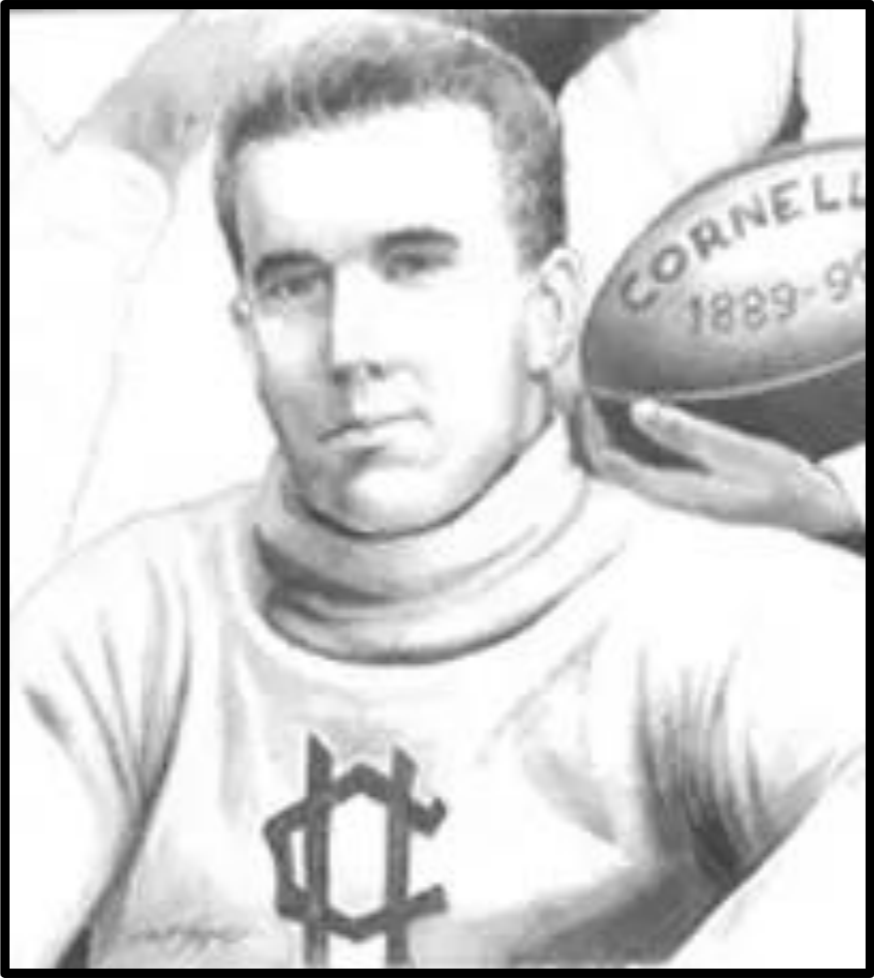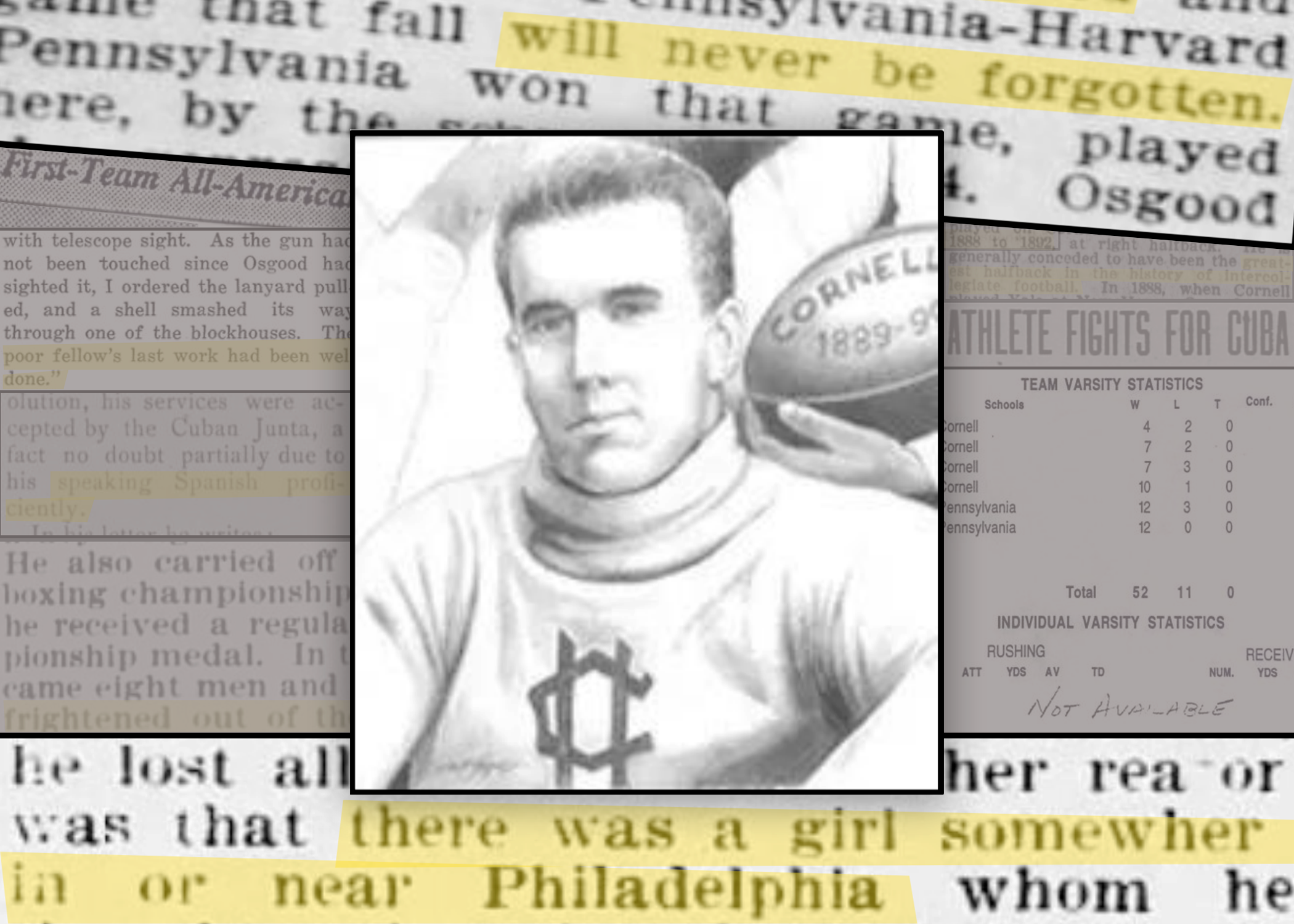
Over 100 years later, stories of his legacy remain, told through hundreds of newspaper clippings: a pageant of his life.
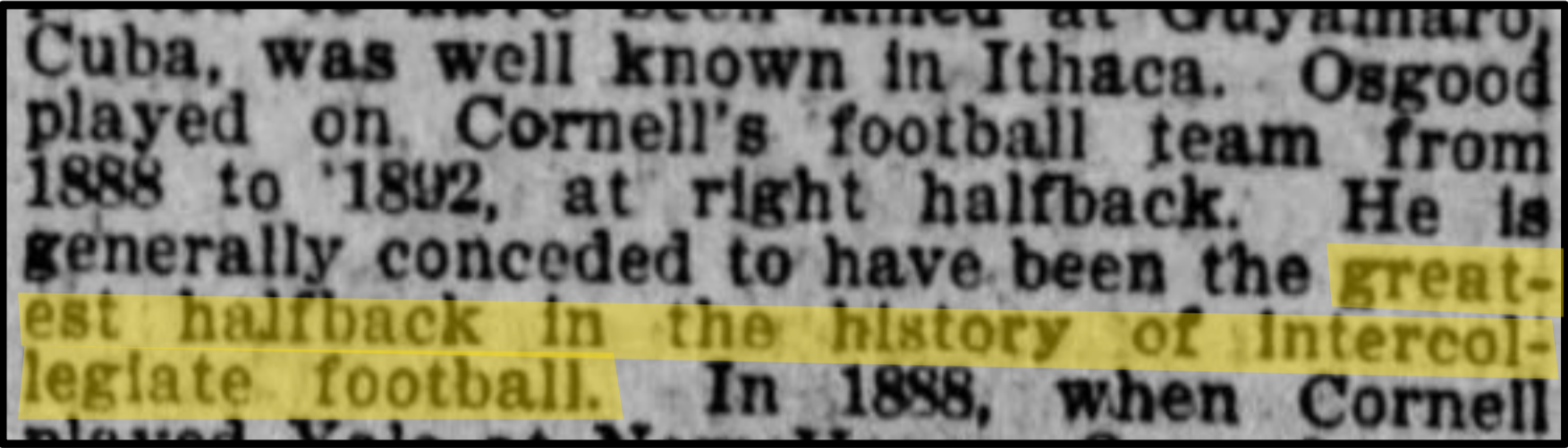
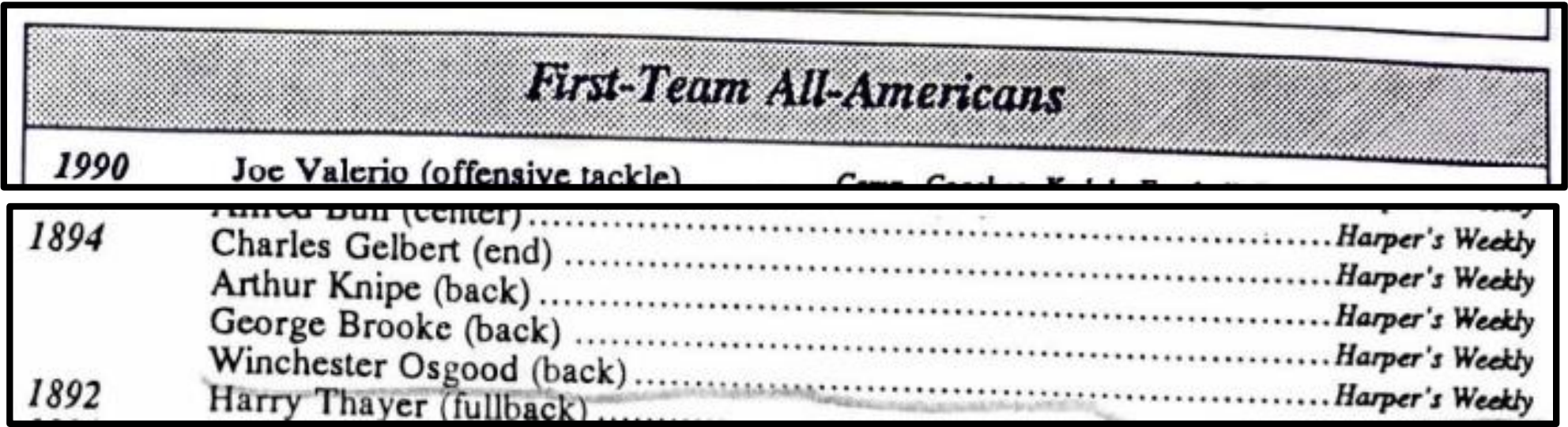
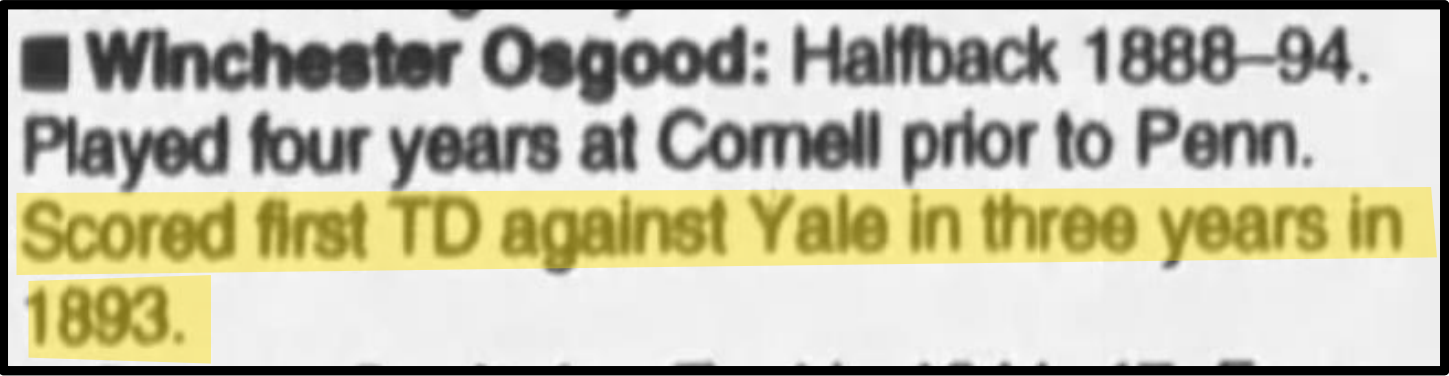
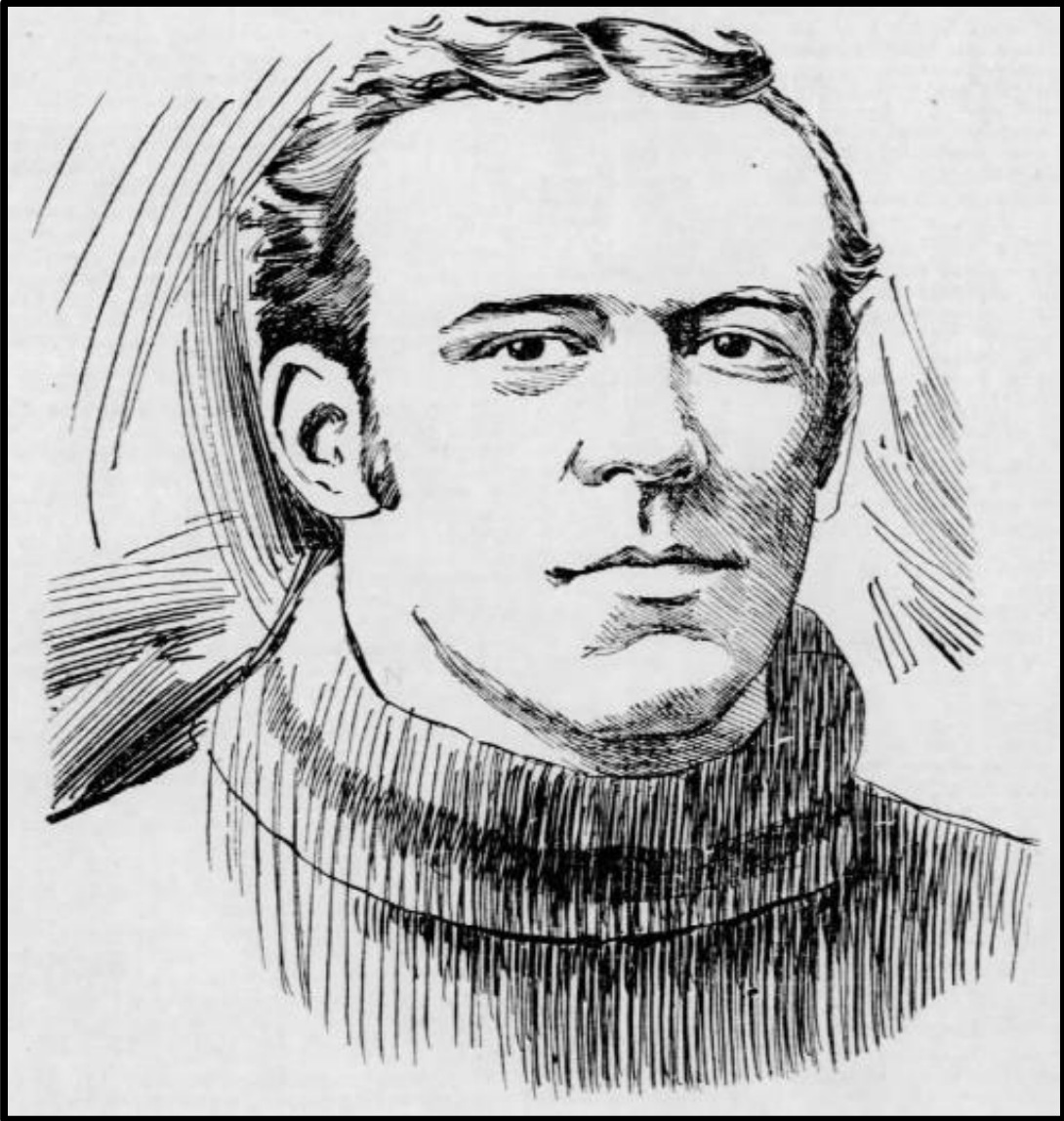
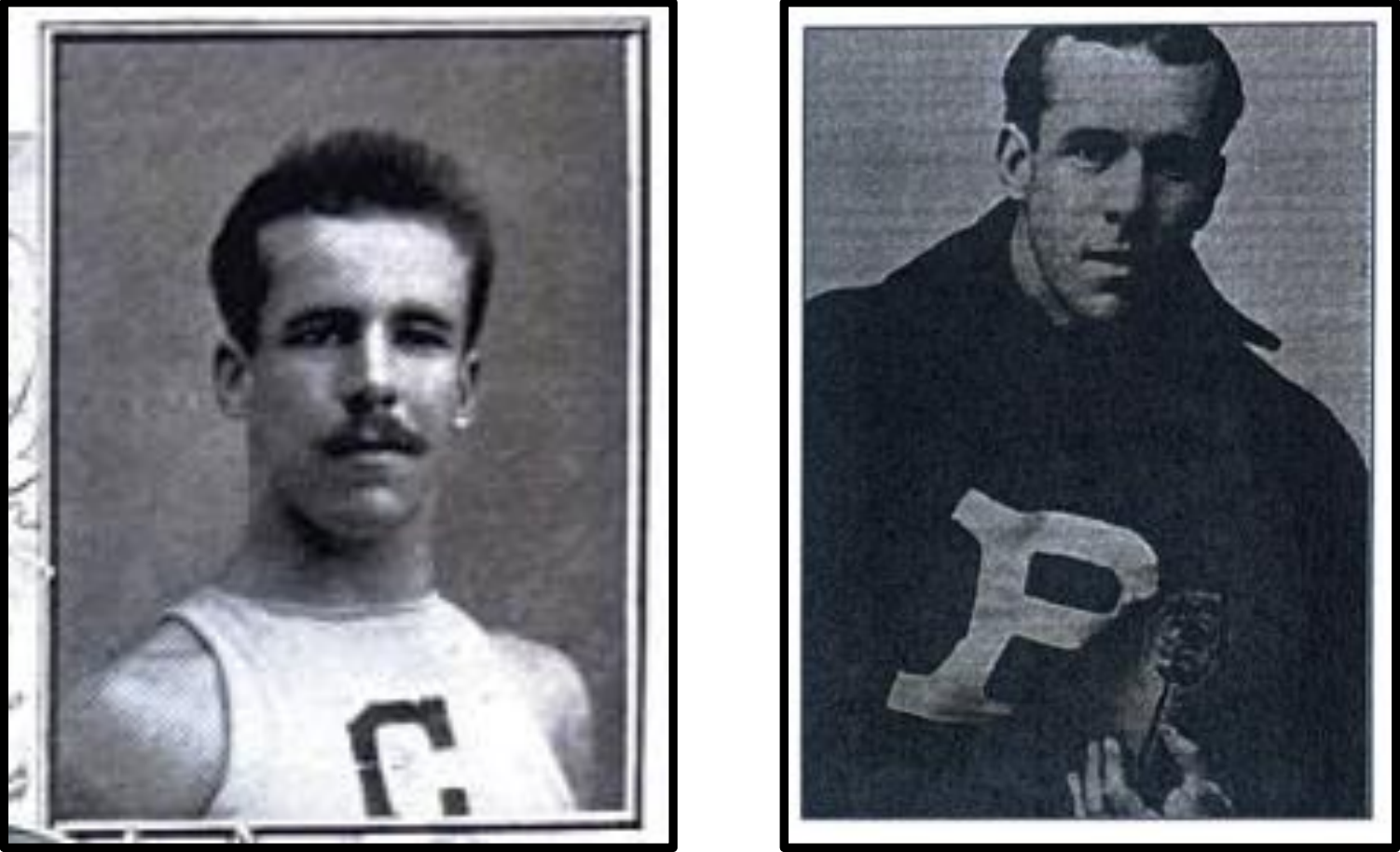
Football was by far Osgood’s best sport. As a halfback at Cornell and later University of Pennsylvania, he was All-America in 1894 and inducted into the College Football Hall of Fame in 1970.
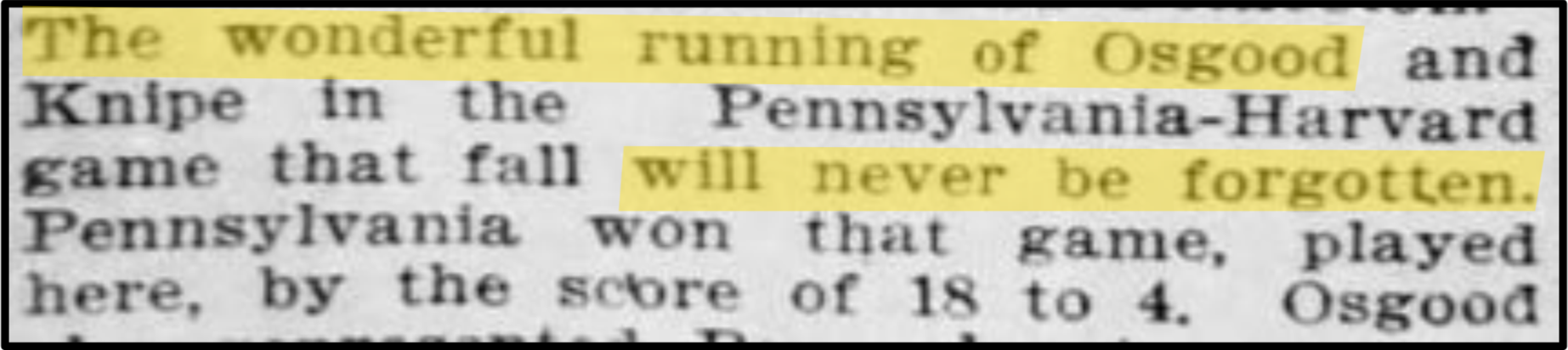
Beyond volume statistics or accolades, eye witnesses of the time attest that his on-field performances were second to none.
On November 11th, 1893, he scored a touchdown against Yale, breaking a streak of 1,265 unanswered points for the Bulldogs, their shutout streak held since November 22nd of 1890, nearly 3 years.
The next year, he had three 50+ yard runs against Harvard in Penn’s final game, pushing Penn to an undefeated season, and a National Championship, which were decided by records at the time.
It turns out Osgood only began playing football because of a girl.
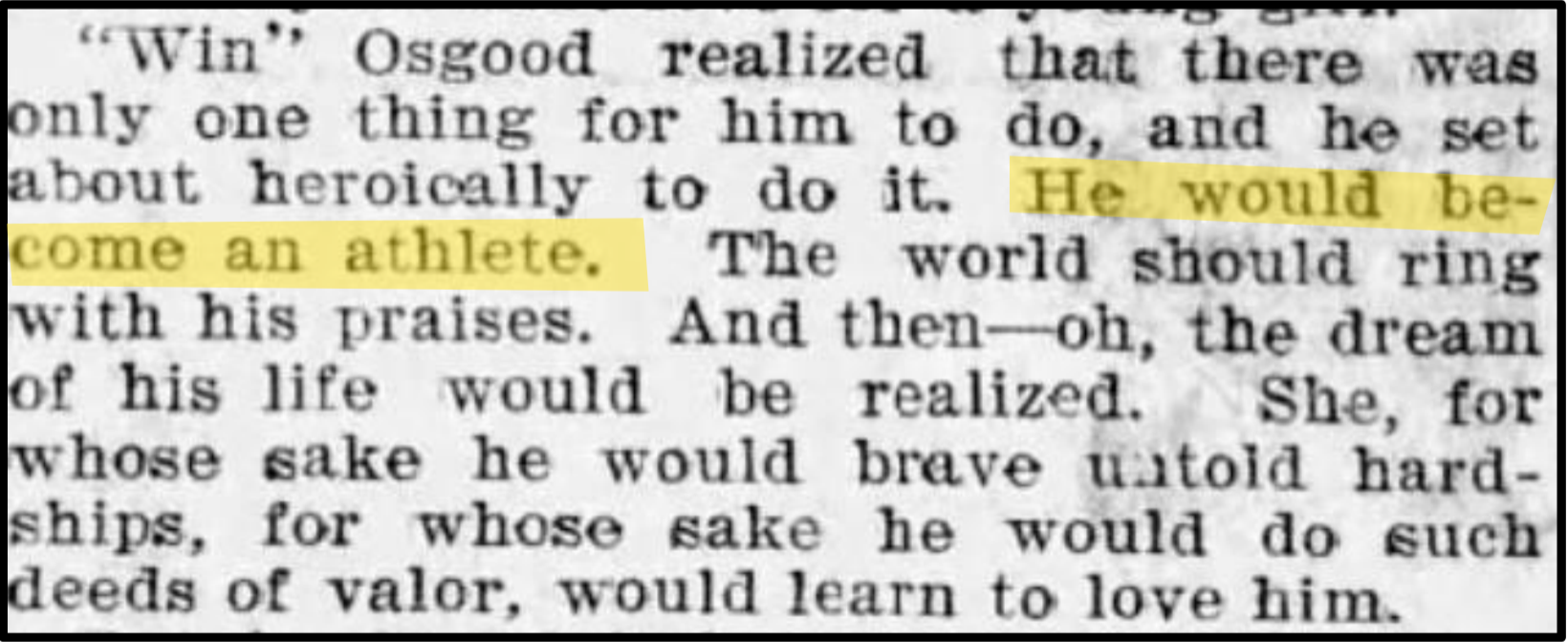
In Wilbraham Academy, Osgood met Caroline Davis. It was here that Osgood developed a deep love for her, but Davis did not share the same affection. She preferred boys that were “big, strong, and played football or baseball.” Osgood, at 5 feet 9 inches was far from that. In his final year at the preparatory school he failed to make the football team.
Not giving up, he trained vigorously at Cornell, being rewarded with a roster spot on the football team, which he took full advantage of, as indicated by his long standing legacy.
His transfer to Penn in 1892 makes a lot more sense with his love interest in mind. When he made the decision to change colleges, there was controversy surrounding his motivations for his choice. After all, with so much success within Cornell sports, why should he test his luck at a different program?
When pressed about the idea that he received compensation to play football, he denied the claims, instead suggesting Philadelphia allowed him more opportunities.

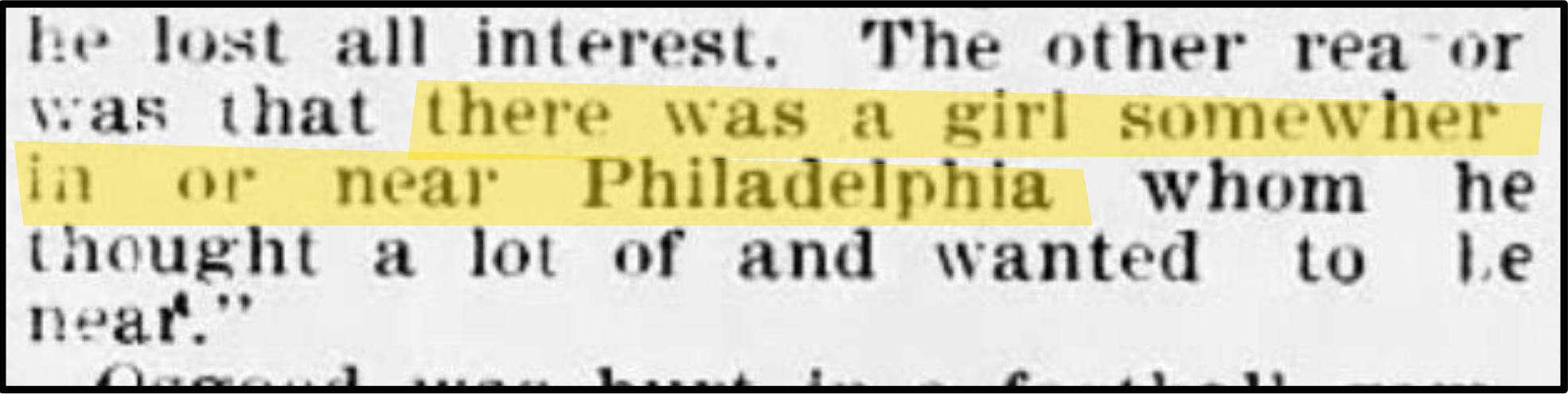
What he did not mention in his affidavit was that he also wanted to move to the city because Davis resided near Philadelphia.
She never loved him. Continually putting him off despite his efforts both on and off the field, she married another man in 1897 after Osgood left the university.
Not all his stories are as bleak as that of his love for Davis. When Cornell football played the University of Chicago in 1890, Osgood got into a fight with an opponent, and got his face beaten fairly badly.
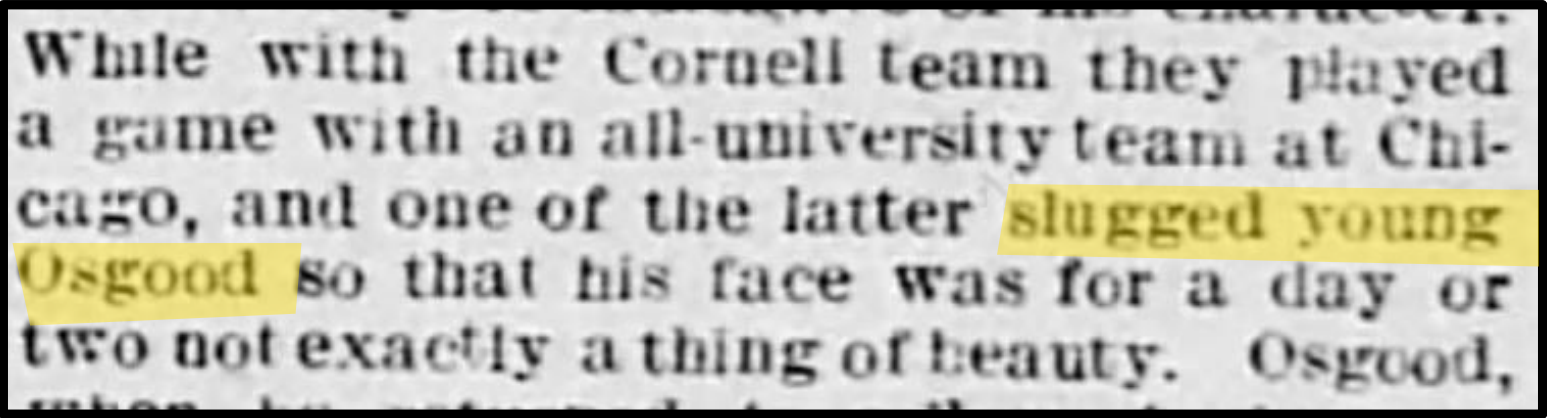
To ensure that never happened again, Osgood took a boxing course at Cornell. A few years later, he was the collegiate boxing champion.

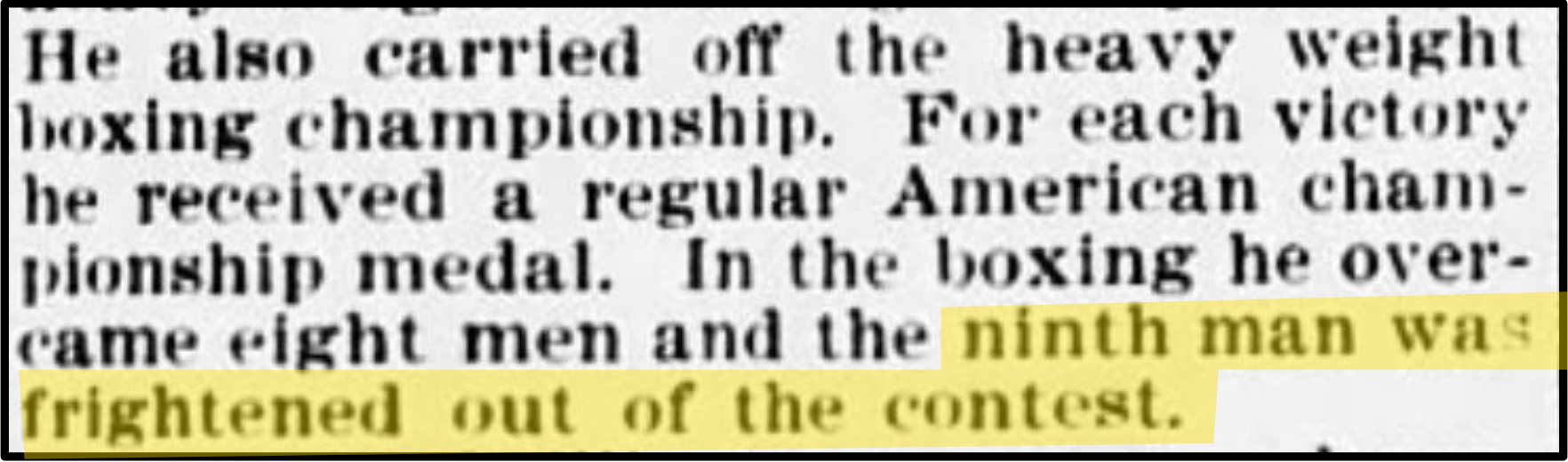
Osgood was more than just a champion football player and boxer.
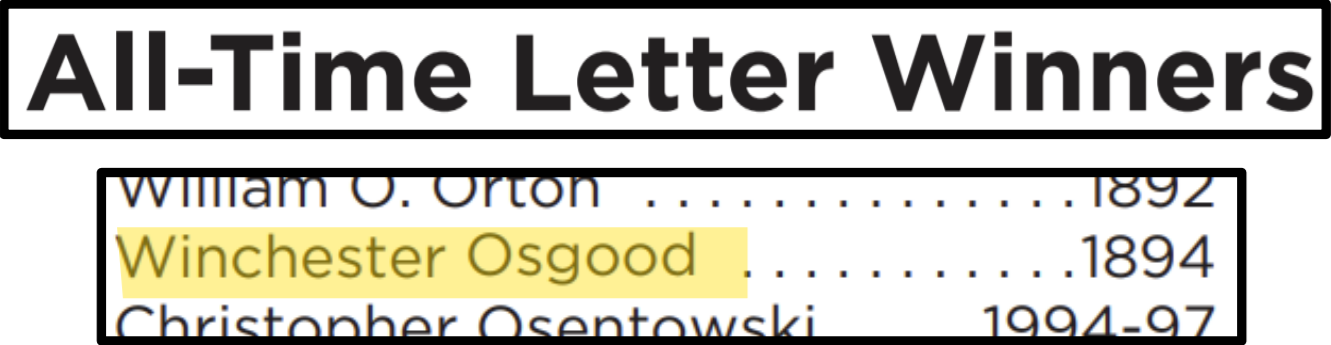
A letterwinner in track and field, he ran what was then the 440 yard dash and shot put.
He was a gymnast
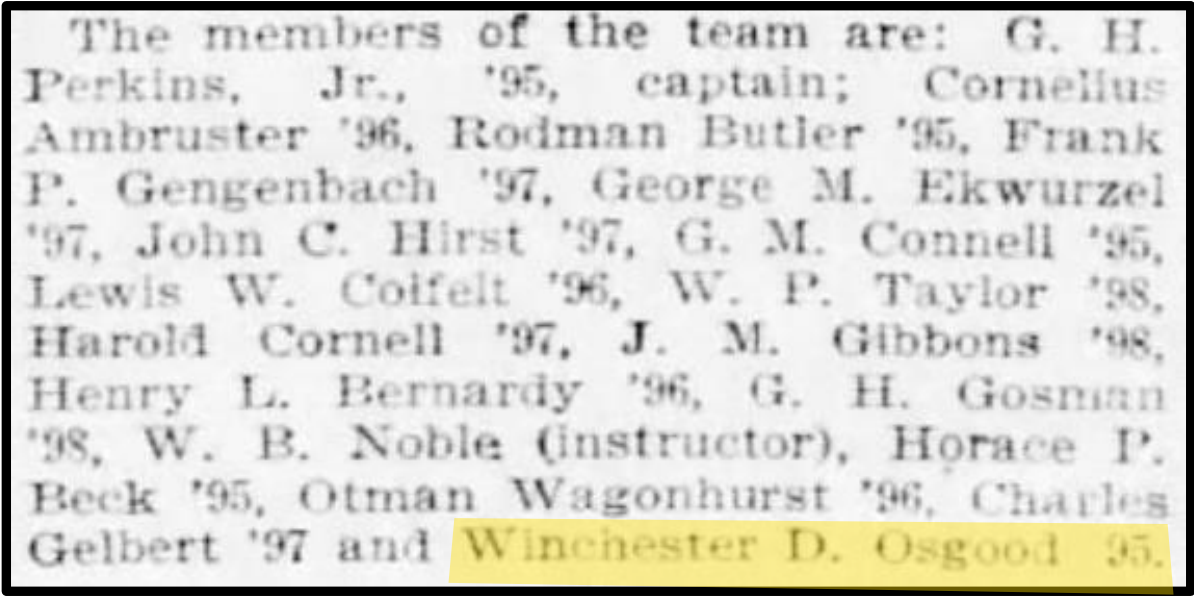
and a rower,

a tennis player,
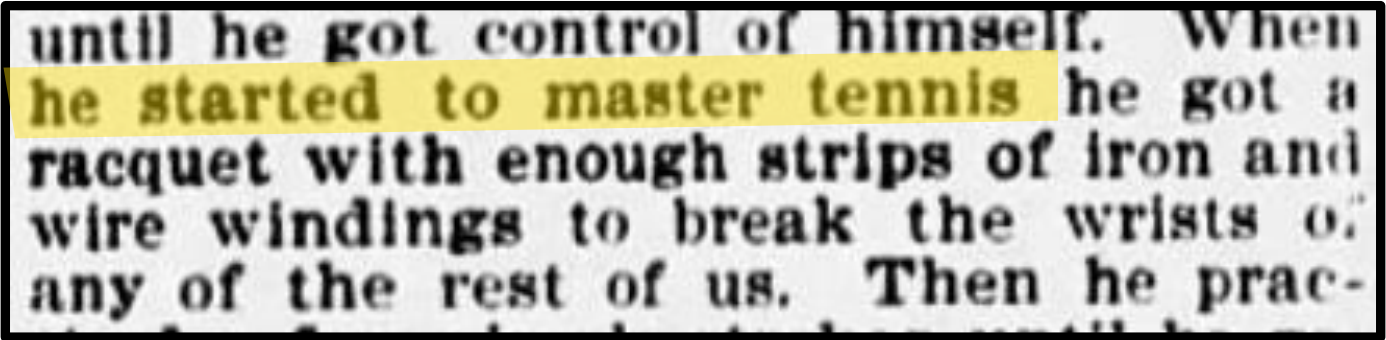
and a champion wrestler.

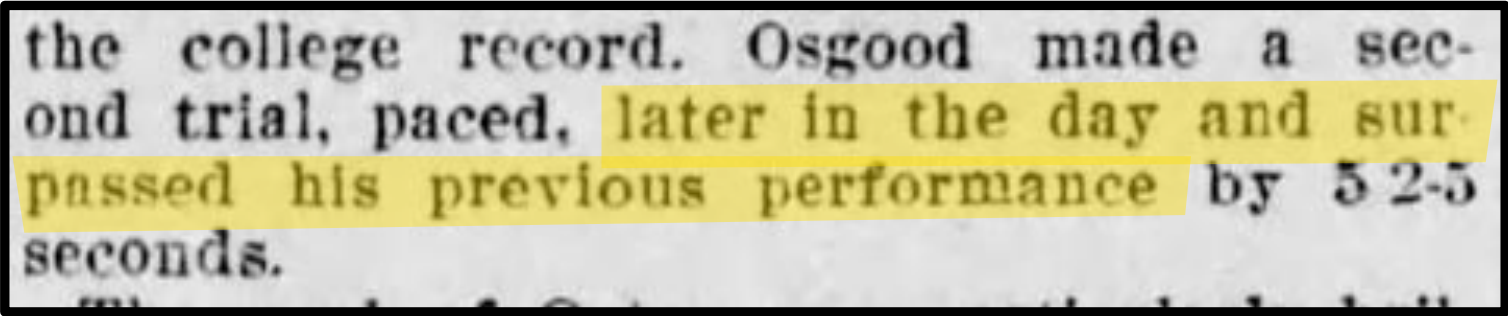
He also set the 2-mile collegiate record for cycling, with a time of 4:55 on June 4, 1895.

Then later that same day, broke his own record by just over 5 seconds.
Osgood’s stories will never be repeated. Part of the reason for that is the era in which his feats took place. His time playing his best sport, football, occurred before professional football existed. Playing before the color barrier was broken in each sport, his competition was artificially lowered.
His era also makes his story significantly harder to pass on.
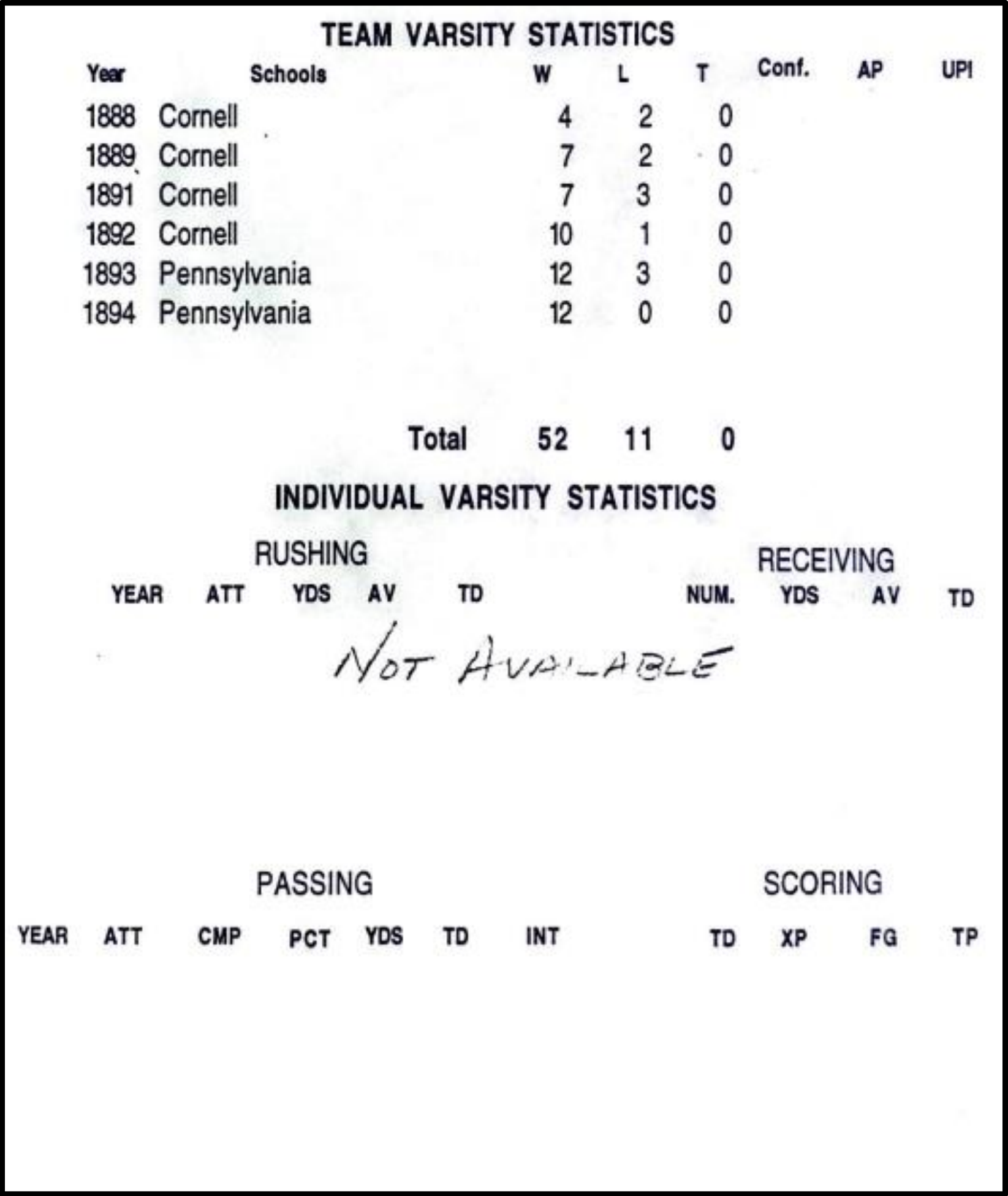
In the Cornell archives, there are no individual records of his statistics, only team wins and losses.
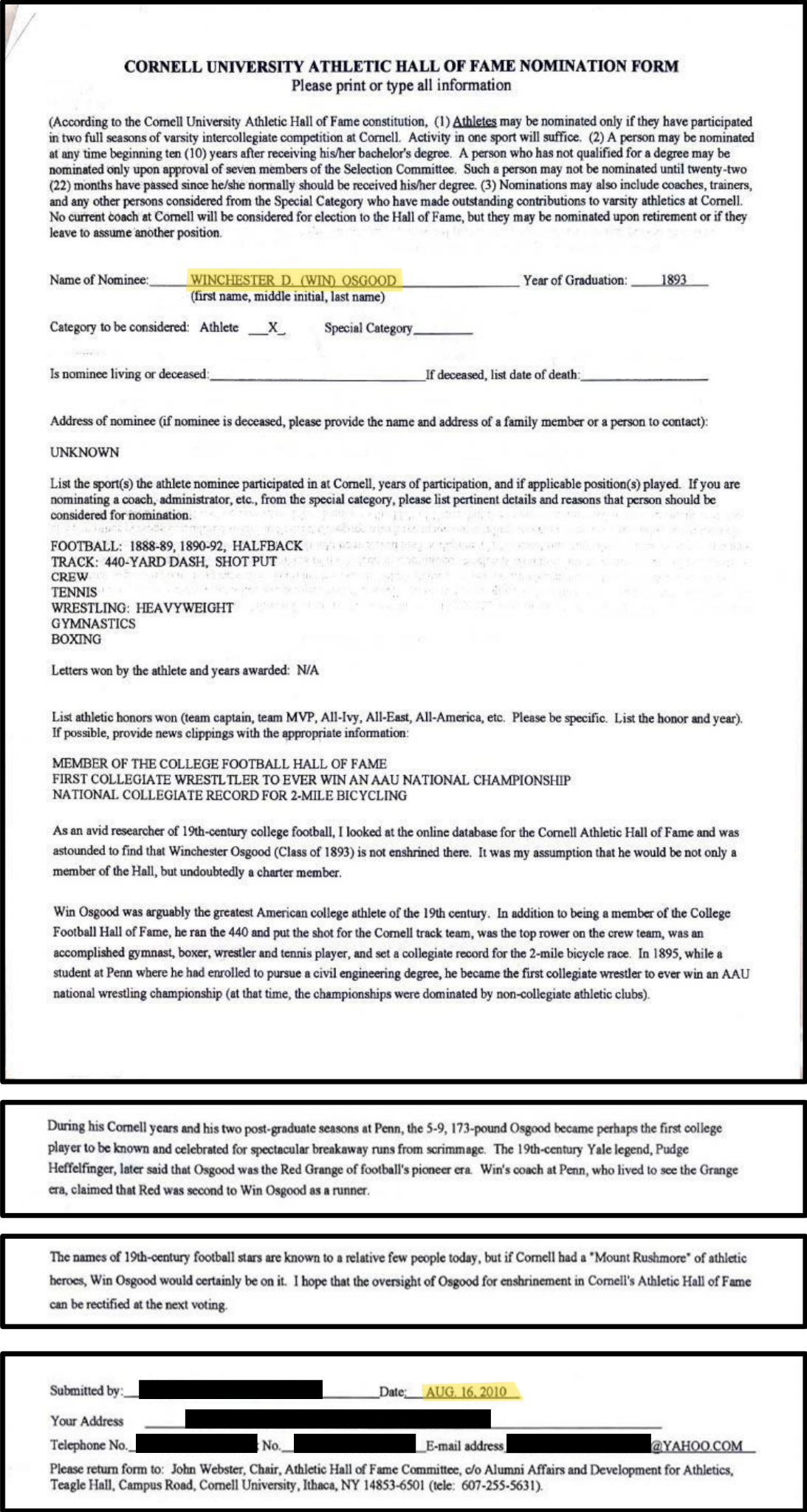
His accomplishments are so buried in the archives that it was only in 2013 that Osgood was inducted into the Cornell Sports Hall of Fame, after a researcher submitted a nomination form on his behalf.
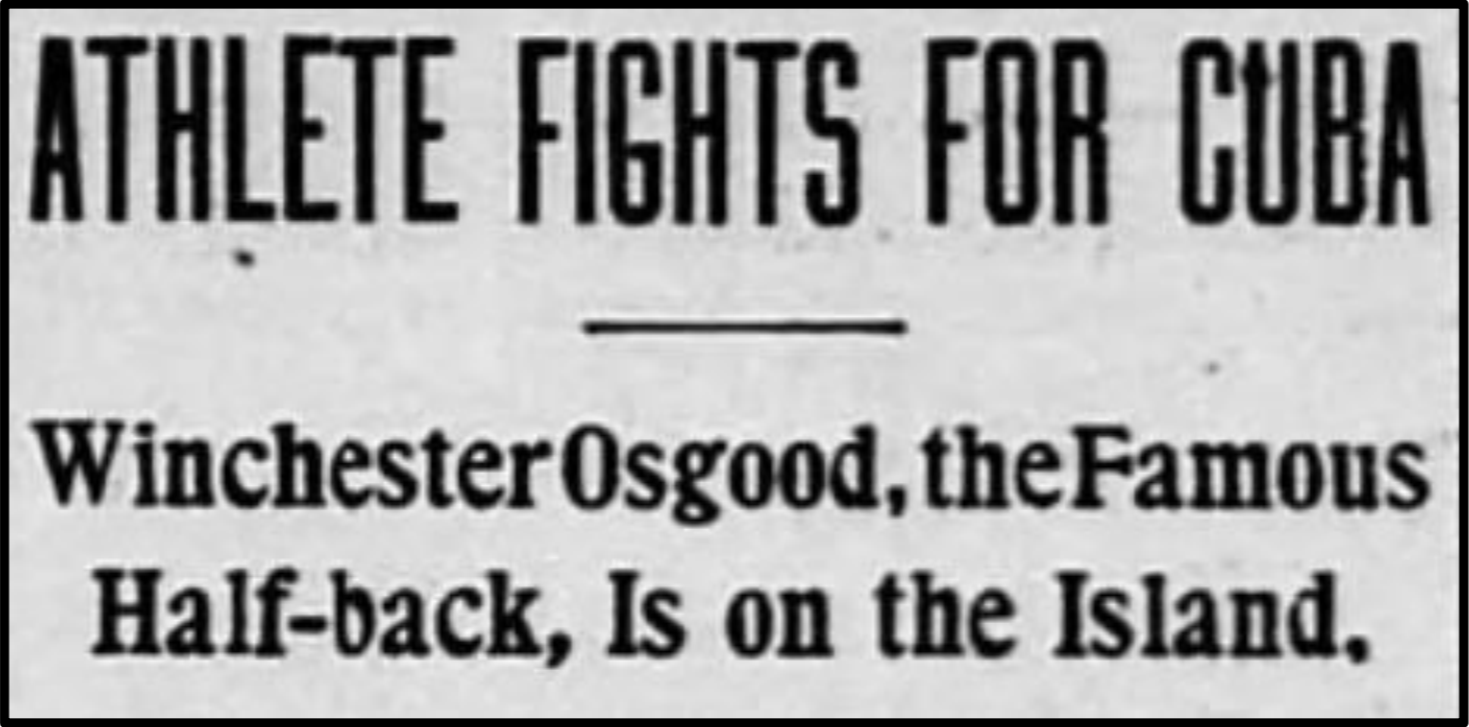
While his accomplishments on the field, in the ring, and on the track were enough to give him some fame, his popularity increased the most in his post-graduation career, when he volunteered to fight in Cuba against Spanish colonialism.
His desire to join the war came from a number of different sources. As the son of an army veteran, he spent much of his youth near military posts and gained familiarity with artillery.

He also simply believed in the cause.
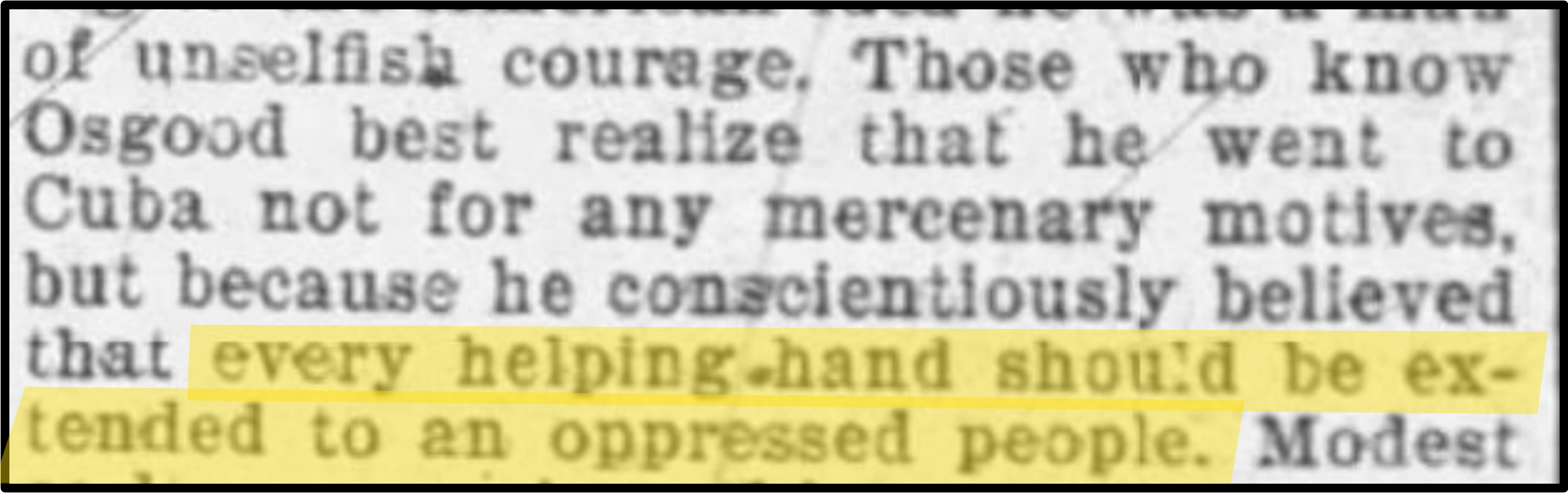
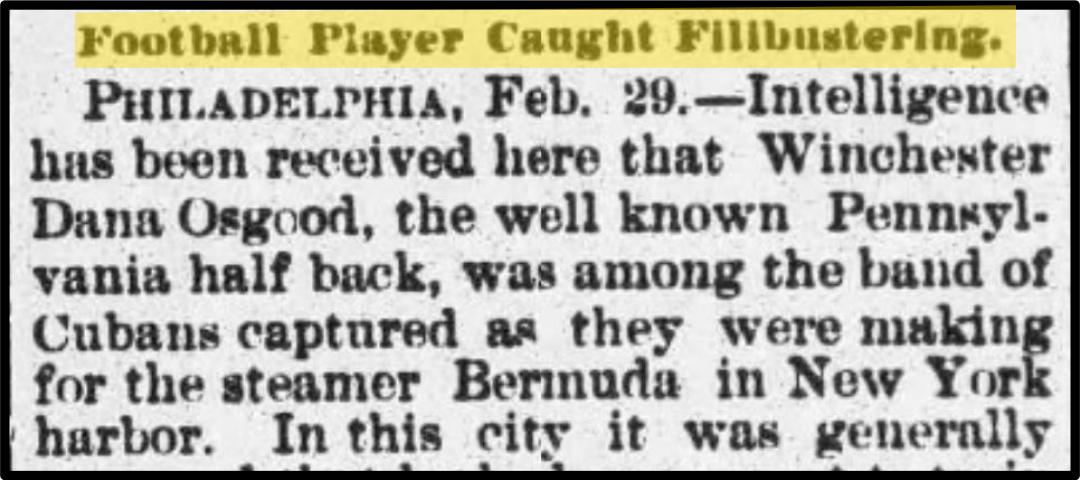
So much so that he was a filibuster earlier that year, going to help the political revolution in Cuba even without proper authorization.
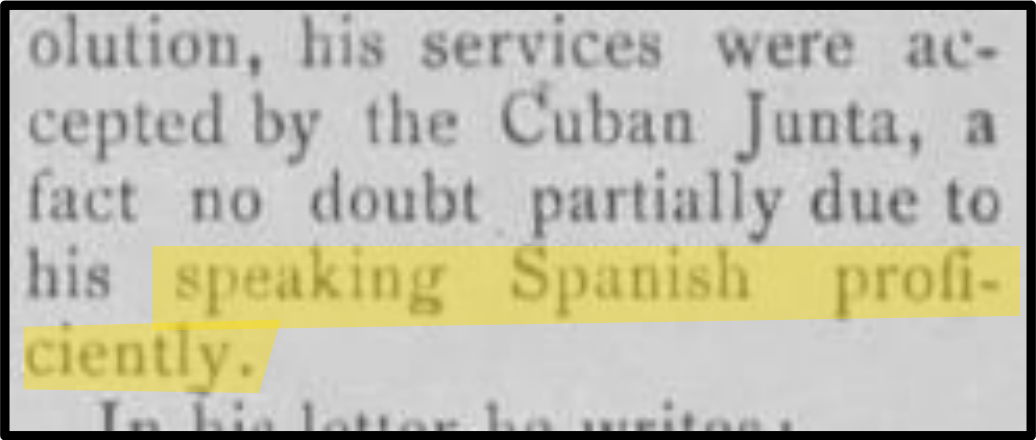
He was also proficient in Spanish, too.
It was in Cuba that he lost his life.
In December 1896, during an attack on Spanish forts in Guáimaro, he attempted to adjust a high powered rifle towards a blockhouse after several shots had missed.

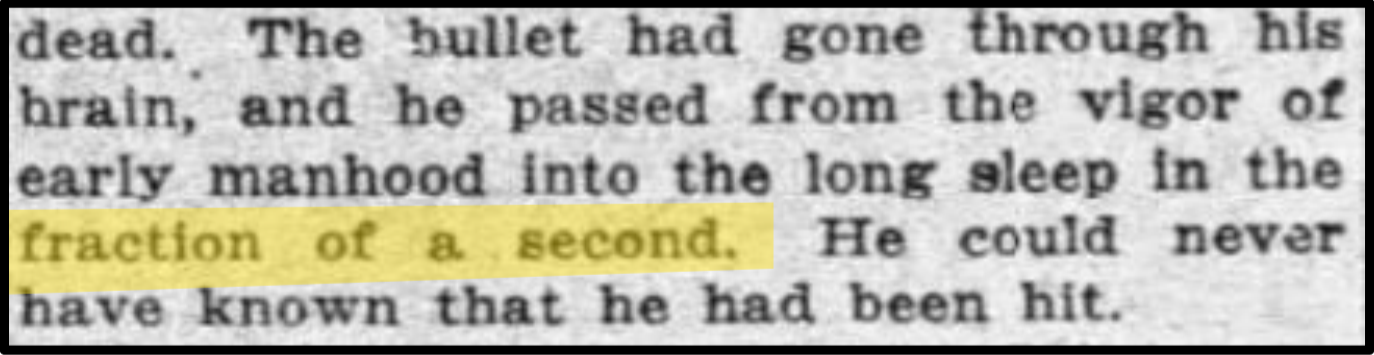
After doing so, he was sniped by a shooter out of eyeshot, more than 1,000 yards away. He died instantly.
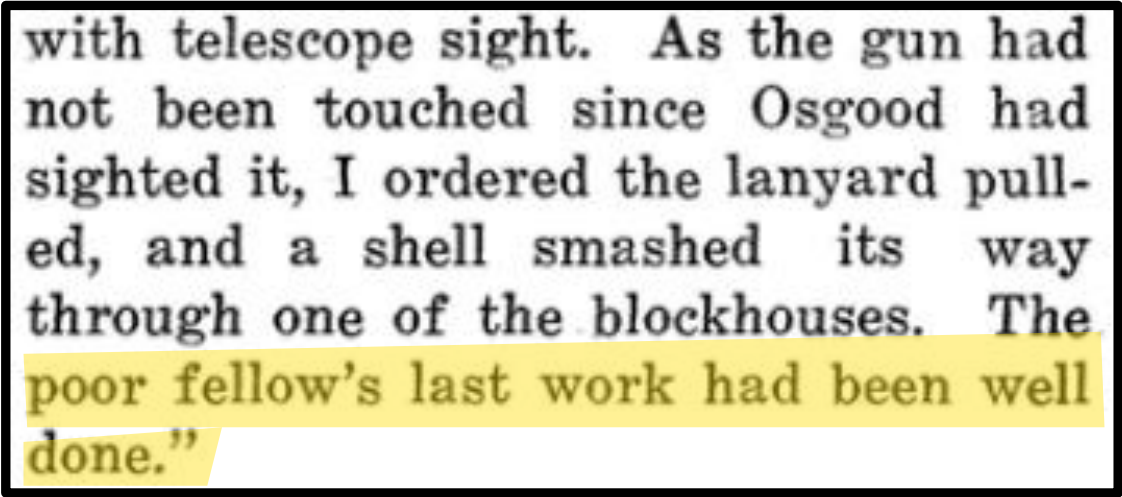
Despite Osgood’s death, the battle continued, with Osgood’s adjustment on the rifle remaining untouched. The commanding officer of his unit ordered the shot to be fired from the gun as is. The shot hit its mark.
After his death, one of his teammates on the Penn track team in 1894 wrote about him in correspondence with the National Football Hall of Fame.
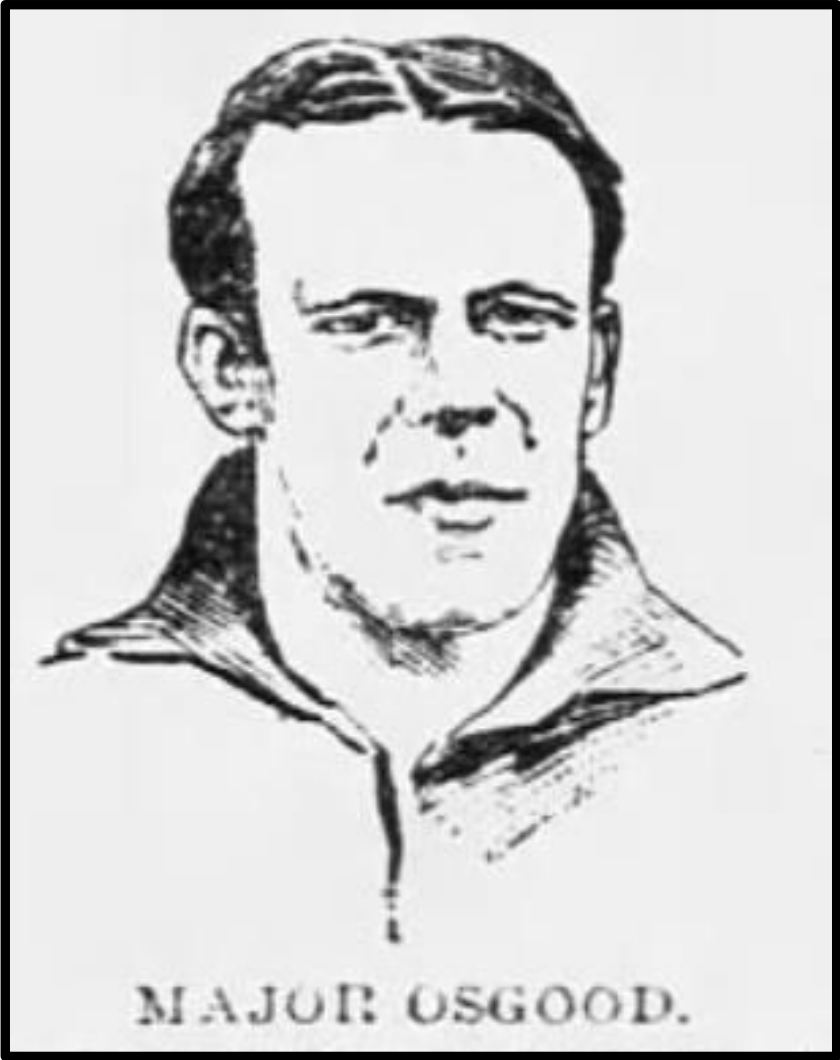
He described the uniqueness of Osgood’s career at both Cornell and Penn in regards to the sheer dominance he displayed in almost any athletic competition.
He also mentioned Caroline Davis.

One of the reasons Osgood joined the fight in Cuba, which resulted in his death at age 26, was the same girl that got him into athletics in the first place. Like most good stories, Osgood’s begins and ends with love.